
What size dumpster is best for construction projects?
You’re managing a construction project in Apopka—roofing tear-off, kitchen remodel, full home renovation, or new construction. You know you need to rent a construction dumpster for debris removal, but which size prevents costly mistakes? Order too small and you’re paying for multiple hauls or emergency pickups mid-project, adding $300-500 each time and delaying work. Order too large and you’re paying for capacity you don’t use—a 40-yard dumpster costs $200-300 more than a 30-yard you could have used. For most construction projects, size selection depends on three factors: project type and scope, material types being disposed (heavy concrete versus bulky wood framing), and whether you’re doing phased disposal or one-time cleanout. Roofing projects typically need 20-yard dumpsters, full-home remodels require 30-yard, and major demolitions or new construction need 40-yard dumpsters. Getting sizing right saves money and keeps projects on schedule.
This guide answers what size dumpster is best for construction projects and explains how to match dumpster size to your specific project type, material volumes, and disposal needs for Apopka construction sites.
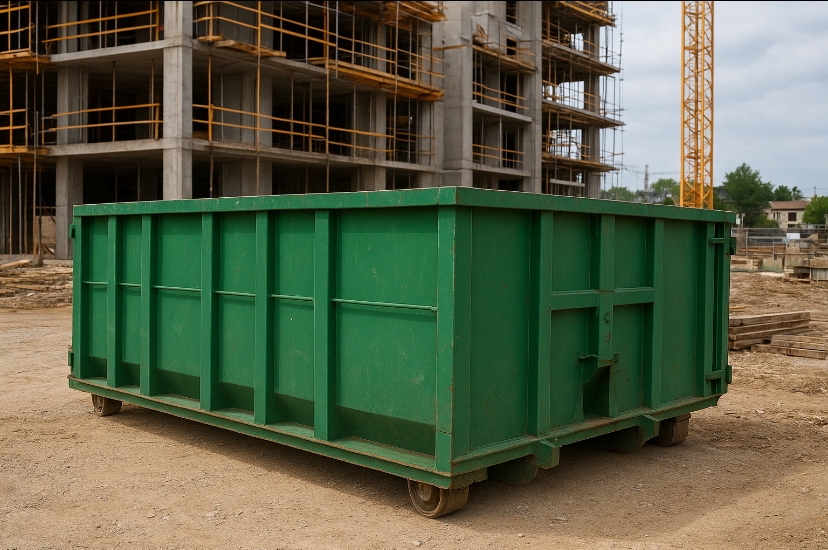
What Size Dumpster Is Best for Construction Projects?
The best construction dumpster size depends on project type and scope:
20-yard dumpster (most common for residential construction): Roofing tear-offs up to 3,500 square feet, small remodels (single room renovations, kitchen or bathroom), garage cleanouts, deck removals. Holds 20 cubic yards (equivalent to 6 pickup truck loads). Dimensions typically 22 feet × 8 feet × 4.5 feet. Cost $350-450 in Apopka [SOURCE: Local construction dumpster pricing].
30-yard dumpster: Large remodels (whole-home renovations, multiple rooms), home additions, large deck or fence projects, medium demolitions. Holds 30 cubic yards (9 pickup truck loads). Dimensions 22 feet × 8 feet × 6 feet. Cost $400-500. Most versatile size for multi-phase construction projects.
40-yard dumpster: New construction builds, whole-house demolitions, commercial projects, large-scale renovations generating substantial debris. Holds 40 cubic yards (12 pickup truck loads). Dimensions 22 feet × 8 feet × 8 feet. Cost $550-650. Necessary for heavy-volume projects.
Material considerations: Heavy materials (concrete, brick, dirt) are limited by weight—may need smaller dumpster with weight allowance rather than larger size. Mixed construction debris (wood, drywall, metal) fills by volume not weight.
For Apopka contractors: CRM Roll Off provides free project assessments—describe construction scope, materials, and timeline for accurate size recommendation avoiding costly oversizing or multiple hauls.
Get sizing help for your project → construction dumpster rental in Apopka.
Construction Dumpster Sizes Explained
Understanding what construction dumpster sizes exist, their physical dimensions, capacity, and typical applications provides the foundation for making an informed sizing decision.
20-Yard Construction Dumpster
Holds 20 cubic yards (6 pickup truck loads). Dimensions approximately 22 feet long × 8 feet wide × 4.5 feet high. Most common size for residential construction projects. Handles roofing tear-offs up to 3,500 square feet (35-40 squares of shingles), single-room remodels, deck removals, and garage cleanouts. Weight capacity typically 2-4 tons—adequate for most construction debris except pure concrete or masonry loads. Apopka cost typically $350-450 including delivery, disposal within weight limit, and 7-14 day rental.
30-Yard Construction Dumpster
Holds 30 cubic yards (9 pickup truck loads). Dimensions approximately 22 feet long × 8 feet wide × 6 feet high. Versatile mid-size handling wide range of construction projects. Accommodates whole-home remodels, home additions, large deck or fence projects, and medium demolitions. Popular for phased construction where dumpster remains on-site throughout project collecting debris from multiple phases. Weight capacity typically 3-5 tons. Apopka cost typically $400-500. Best value for contractors doing substantial work but not full demolitions.
40-Yard Construction Dumpster
Holds 40 cubic yards (12 pickup truck loads). Dimensions approximately 22 feet long × 8 feet wide × 8 feet high. Largest standard construction dumpster. Handles new construction builds (debris from framing, installation, finishing), whole-house demolitions, commercial projects, and large-scale renovations. Weight capacity typically 5-8 tons. Apopka cost typically $550-650. Cost premium justified for projects generating 40+ cubic yards of debris.
Visual Capacity Reference
Twenty cubic yards equals approximately 3 tons of shingles OR 300 square feet of drywall OR 500 square feet of hardwood flooring. Thirty cubic yards equals debris from gutting and renovating 1,500 square feet of space. Forty cubic yards equals framing debris from 2,000-2,500 square feet of new construction OR complete demolition of a 1,200-1,500 square foot home [SOURCE: Construction waste volume estimates].
Assessing Your Construction Project Scope
Understanding how to evaluate your specific project to estimate debris volume enables more accurate size selection.
Project Type and Material Volume
Different construction project types generate predictable debris volumes. Roofing generates concentrated debris in short timeframes (2-3 days). Remodels generate debris throughout project duration (weeks or months). Demolitions generate maximum volume in compressed timeframes. New construction generates debris in phases.
For roofing, 1 square (100 square feet) of shingles equals approximately 0.5 cubic yards—a 3,500 square foot roof equals 17-18 cubic yards fitting in a 20-yard dumpster. For drywall removal, 500 square feet equals approximately 2 cubic yards when broken. For flooring, 1,000 square feet of tile or hardwood equals 4-5 cubic yards with underlayment. For gutting interiors, fully gutting 1,000 square feet of space equals 15-20 cubic yards [SOURCE: Construction waste calculators].
Weight Considerations
Heavy materials (concrete, brick, stone) hit weight limits before volume limits. A 20-yard dumpster with a 3-ton weight limit holds approximately 8-10 cubic yards of concrete before reaching weight capacity (half volume). Projects mixing heavy materials with light materials achieve better value. Pure heavy-material loads are better served by smaller dumpsters with appropriate weight allowances.
Material Compressibility and Timeline
Construction materials vary in how they fill dumpsters. Drywall, cardboard, and wood scraps pack efficiently. Framing lumber, cabinetry, and fixtures create air gaps wasting space. Mixed loads typical in construction average between extremes.
Consider debris accumulation timeline. Roofing generates all debris in 2-3 days (can fill dumpster quickly). Remodeling accumulates debris gradually over weeks (larger dumpster prevents mid-project fullness). Extended projects benefit from adequate capacity preventing overflow issues.
[CRM Roll Off regularly handles Apopka construction projects and observes typical volume patterns. We’ve found contractors most commonly underestimate demolition debris volume—interior demolition generates not just drywall and framing but also cabinets, fixtures, flooring underlayment, and miscellaneous debris. A recent whole-home gut renovation in Apopka that the contractor estimated would need a 20-yard actually required a 30-yard once all materials were accounted for. We provide free project assessments to avoid these costly miscalculations.]
Dumpster Size Recommendations by Construction Project Type
Translating volume factors into specific size recommendations helps contractors choose confidently based on project type.
Roofing Projects (20-Yard Dumpster)
Residential roofing tear-offs up to 3,500-4,000 square feet fit comfortably in 20-yard dumpsters. Includes old shingles, underlayment, flashing, ridge caps, and valley materials. Larger roofs (4,000-6,000 square feet) require 30-yard. Multiple-layer tear-offs—removing 2-3 layers of old shingles—require size upgrades. Most residential roofing contractors standardize on 20-yard for efficiency.
Kitchen and Bathroom Remodels (20-30 Yard)
Full kitchen remodel (removing cabinets, countertops, flooring, appliances, drywall) generates 8-12 cubic yards—20-yard dumpster adequate. Full bathroom remodel generates 4-6 cubic yards—20-yard sufficient. Multiple rooms or whole-home multi-room remodels require 30-yard (kitchen plus 2 bathrooms plus flooring equals 20-25 cubic yards).
Home Additions and Whole-Home Remodels (30-40 Yard)
A 500 square foot addition generates approximately 15-20 cubic yards total debris across all phases. A 1,000 square foot addition needs 30-35 cubic yards. Whole-home remodels (gutting and renovating entire interiors) generate 25-40 cubic yards depending on home size. A 1,500 square foot home whole-gut remodel needs 30-yard minimum. Homes 2,500+ square feet need 40-yard.
Demolition Projects (30-40 Yard)
Partial demolitions (removing portions of structure) typically need 30-yard. Full house demolitions require 40-yard minimum—complete teardown of 1,200-1,500 square foot home generates 35-45 cubic yards. Larger homes may need multiple 40-yard dumpsters or phased hauling.
New Construction (30-40 Yard)
New home construction generates debris in distinct phases. Framing phase generates 15-25 cubic yards for 2,000-2,500 square foot homes. Installation and rough-in phase adds 10-15 cubic yards. Finishing phase adds 8-12 cubic yards. Total new construction debris for 2,000-2,500 square foot homes: 35-50 cubic yards. Many builders keep 30-40 yard dumpsters on-site throughout construction accepting debris from all phases.
Still unsure about sizing? Call for free project assessment at CRM Roll Off.
Material Weight and Disposal Considerations
Understanding critical weight limits and material-specific disposal requirements prevents common mistakes contractors make focusing only on volume.
Weight Limits Versus Volume Capacity
Construction dumpsters have both volume capacity (cubic yards) and weight capacity (tons). A 20-yard dumpster is typically rated 2-4 tons, 30-yard for 3-5 tons, 40-yard for 5-8 tons [SOURCE: Dumpster rental industry weight specifications]. Light materials (wood, drywall, cardboard) fill volume before reaching weight limits. Heavy materials (concrete, brick, stone) reach weight limits before filling volume—smaller dumpster with appropriate weight rating is better than larger dumpster half-filled and overweight.
Heavy Material Disposal Strategy
Concrete weighs approximately 3,500-4,000 pounds per cubic yard. A 20-yard dumpster with 4-ton weight limit holds only 8-10 cubic yards of concrete before reaching capacity (less than half volume). Better approach: rent 10-15 yard dumpster with heavy-debris weight allowance specifically for concrete. Separate concrete and masonry from other construction debris when possible for better value.
Prohibited Materials and Load Distribution
Construction dumpsters prohibit hazardous waste (paint, solvents, chemicals), asbestos-containing materials, electronics, tires, appliances with refrigerants, and liquids. Contractors must arrange separate disposal for prohibited materials [SOURCE: Florida DEP waste regulations].
Materials should not extend above dumpster sides—transportation regulations prohibit overloaded dumpsters. Overfilled dumpsters trigger overage charges or require partial unloading. Best practice: load heavy materials first (spread evenly across bottom), fill with lighter bulkier materials, break down large items to maximize space.
[CRM Roll Off has seen Apopka contractors encounter weight limit issues when mixing concrete foundation debris with framing lumber. One recent home addition project exceeded the 5-ton weight limit by nearly 2 tons, triggering $140 in overage charges. We now recommend contractors separate heavy concrete into dedicated loads, then use standard construction dumpsters for lighter mixed debris. This strategy saves disposal costs and avoids weight penalties.]
Avoid weight limit issues with professional recommendation.
Apopka Construction Dumpster Rental: Regulations and Next Steps
Understanding Apopka-specific considerations and taking concrete next steps moves you from planning to action.
Apopka Permits and Placement
Dumpsters on private construction sites generally don’t require city permits if placed on private property. Dumpsters on public right-of-way require permits from City of Apopka [SOURCE: Apopka city ordinances]. Permit costs typically range $25-75. Verify placement doesn’t obstruct fire lanes, access routes, or utilities. CRM Roll Off is familiar with Apopka permitting and helps contractors navigate requirements.
Rental Duration and Scheduling
Standard construction dumpster rental includes 7-14 days. Construction projects often need extended rentals—monthly rates available at discounted daily costs. Typical construction rental includes initial 2-week period, then weekly extensions as needed. Contractors can schedule pickups and swaps as needed. Scheduling 3-5 days advance notice is recommended.
Pricing and Contractor Accounts
Construction dumpster pricing in Apopka: 20-yard $350-450, 30-yard $400-500, 40-yard $550-650 [SOURCE: Local construction dumpster pricing]. Prices include delivery, disposal (up to weight limits), pickup, and standard rental period. Overage charges apply if exceeding weight limits (typically $50-75 per ton over). Contractor account benefits include priority scheduling, simplified billing, volume discounts, and dedicated account representatives.
Free Project Assessment
Call CRM Roll Off with project details—project type, square footage, materials being removed, project timeline—and receive professional size recommendations. Assessments account for material weight, volume, timeline, and disposal requirements. This prevents costly errors. Our experienced team understands construction debris patterns and Apopka-area construction industry.
Ready to order? Call for sizing consultation or request a quote online.
Choosing the Right Construction Dumpster Size
The best construction dumpster size depends on project type—20-yard for roofing and small remodels, 30-yard for whole-home remodels and additions, 40-yard for new construction and demolitions. Accurate sizing saves money by avoiding costly mistakes. Renting too small doubles costs when you need multiple hauls. Renting too large wastes budget on unused capacity.
Assess your needs by evaluating square footage affected, material types (heavy concrete versus bulky wood framing), and project timeline. Remember that weight limits matter as much as volume for heavy materials. Construction projects generate predictable debris volumes by type—use industry estimates and professional consultations to size accurately.
CRM Roll Off provides free project assessments removing the guesswork. Describe your construction scope and receive accurate recommendations based on our experience with hundreds of Apopka construction projects. We help you avoid underestimating (requiring expensive additional hauls) and overestimating (wasting money on excess capacity). Our construction dumpsters serve contractors throughout Apopka and Central Florida with flexible scheduling, extended rental periods, and contractor account benefits.
Ready to rent a construction dumpster for your Apopka project? CRM Roll Off provides free project assessments—describe your construction scope, square footage, materials, and timeline, and we’ll recommend the perfect dumpster size avoiding costly mistakes. Our construction dumpsters serve contractors throughout Apopka and Central Florida with flexible scheduling, extended rental periods, and contractor account benefits. Call ((321) 228-0245 for immediate sizing help or request a quote online.