Can I put yard waste in a dumpster rental?
You’re planning a major yard cleanup—removing overgrown shrubs, clearing storm-damaged tree branches, or renovating your entire landscape. You’re researching yard waste dumpster rental but wondering: can I put yard waste in a dumpster rental? The answer: yes, most dumpster rental companies accept yard waste, but with important restrictions and considerations [SOURCE: Waste industry yard waste acceptance]. Accepted yard waste includes branches, leaves, grass clippings, shrubs, bushes, small tree debris, and plant material. Restricted or prohibited items include stumps which often require separate disposal or grinding, dirt and sod in large quantities due to weight concerns, treated lumber which is not organic yard waste, and hazardous materials like pesticides. For Apopka yard projects, dumpster rental makes sense when you have 3+ cubic yards of debris—more than fits in curbside collection—when you’re removing trees or large shrubs, or completing full yard renovation. Understanding yard waste acceptance rules and volume considerations helps determine whether dumpster rental is the right disposal solution for your project.
This guide answers can I put yard waste in a dumpster rental and explains what yard waste is accepted, volume and weight considerations, and how to determine if dumpster rental is the best disposal method for your Apopka yard project.
Can I Put Yard Waste in a Dumpster Rental?
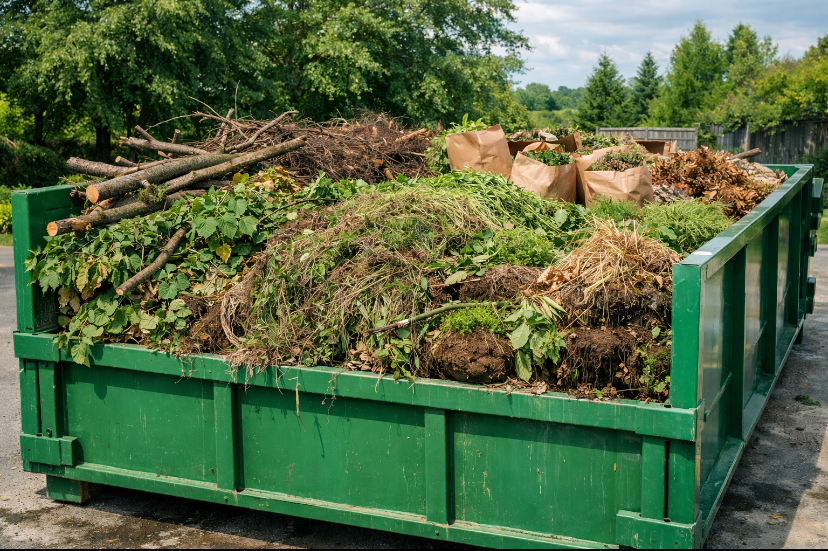
Yes, you can put yard waste in a dumpster rental with important restrictions:
Accepted yard waste:
- Branches and limbs (typically under 6-8 inches diameter, cut to 4-6 feet lengths)
- Leaves, grass clippings, and lawn debris
- Shrubs, bushes, and hedge trimmings
- Small tree debris and brush
- Plant material, weeds, and garden waste
- Flowers, vines, and organic landscaping debris
Restricted or prohibited:
- Tree stumps (often require separate disposal or grinding)
- Dirt, soil, and sod in large quantities (weight limits, disposal restrictions)
- Rocks, stones, and concrete landscape materials
- Treated lumber or construction wood (not organic yard waste)
- Hazardous materials (pesticides, fertilizers, chemicals)
When dumpster rental makes sense: Projects with 3+ cubic yards yard waste including tree removal, major landscaping, full yard renovation, and storm cleanup. This is more volume than curbside pickup accommodates and you need multi-day on-site disposal during your project.
Apopka considerations: Orange County landfill accepts organic yard waste. Some facilities prefer yard-waste-only loads for composting programs. Mixed loads combining yard waste plus household debris are acceptable in standard construction dumpsters.
Volume and weight: Ten to 15 yard dumpsters are ideal for most yard projects. Fresh-cut green wood is heavy due to water content and may hit weight limits before filling volume. Dried brush and leaves are lighter.
Get yard waste dumpster for your project → yard waste dumpster rental in Apopka.
What Yard Waste Is Accepted in Dumpster Rentals
Understanding exactly which yard waste materials are accepted in standard dumpster rentals provides confidence you can dispose of common yard debris without issues.
Branches, Limbs, and Tree Debris
Branches and limbs from tree trimming or removal are typically accepted with size restrictions. Most companies accept branches up to 6-8 inches in diameter. They should be cut to manageable lengths of 4-6 feet for efficient loading and processing. Larger logs or trunk sections may require separate disposal or wood chipper processing. Tree removal debris including branches, twigs, and foliage from cutting down trees is accepted. Storm-damaged tree debris from fallen or damaged trees during severe weather is commonly disposed of in dumpsters. Christmas tree disposal represents seasonal yard waste that’s fully accepted.
Leaves, Grass Clippings, and Lawn Debris
Bagged or loose leaves from raking and yard cleanup are fully accepted. Grass clippings from mowing residential or commercial lawns can be disposed of without restriction. Lawn thatch and dethatching debris, pine needles, pine cones, and conifer debris are all acceptable. Fallen acorns, seed pods, and tree litter along with hay or straw used for landscaping or mulch if organic and not treated are accepted materials. This represents the most common residential yard waste type—it’s lightweight and compacts well in dumpsters.
Shrubs, Bushes, and Hedge Trimmings
Shrub removal debris when clearing overgrown or unwanted shrubs is accepted. Bush trimmings from pruning and shaping ornamental bushes, hedge clippings from trimming privacy hedges and formal hedges, and ornamental grass removal including pampas grass, fountain grass, and large ornamentals are all acceptable. Brambles, vines, and invasive vegetation removal such as English ivy, kudzu, and wild blackberry can be disposed of. This includes root balls if attached to shrubs, though large root systems may need size consideration.
Garden and Plant Waste
Garden cleanup debris including spent annual flowers, vegetable plants, and seasonal plantings is accepted. Perennial plant division waste with excess plants, trimmed roots, and foliage can be disposed of. Weeds pulled from gardens, flower beds, and landscaping are acceptable. Potted plant disposal including root-bound plants and soil in moderate quantities, flower bed renovation debris when removing old plantings, vegetable garden end-of-season cleanup, organic mulch when replacing with fresh material, and houseplant disposal when discarding overgrown or dead indoor plants are all accepted.
Other Acceptable Organic Yard Materials
Palm fronds and palm tree debris common in Florida landscapes [SOURCE: Florida yard waste types] are accepted. Bamboo removal cut to manageable lengths can be disposed of, though it can be dense and heavy. Sod removal in moderate amounts is acceptable with weight considerations noted. Spanish moss, lichens, and epiphytes from tree cleanup can be included. Flower arrangements and floral waste with organic materials only after removing wire and non-organic components are accepted. Sawdust and wood chips from tree work or landscaping if from untreated wood, and general landscaping debris from routine yard maintenance are all acceptable materials.
Yard Waste Materials That Are Restricted or Prohibited
Understanding what’s restricted or prohibited prevents disposal violations and unexpected fees, clarifying materials requiring alternative disposal despite seeming “yard-related.”
Tree Stumps and Large Root Systems
Tree stumps from tree removal are typically prohibited in standard yard waste dumpsters due to size, weight, and disposal challenges. Large root balls and root systems over 12-18 inches diameter are similarly restricted. Stumps are extremely heavy and dense—one large stump can weigh 500-1,000+ pounds, occupying minimal volume but maxing out weight capacity. Disposal options include stump grinding services that turn stumps into mulch on-site, specialized stump disposal facilities, or dedicated stump-only dumpster loads. Small root balls attached to shrubs are generally acceptable. Clarify stump size and quantity with your dumpster provider before ordering.
Dirt, Soil, and Sod in Large Quantities
Clean fill dirt, topsoil, and excavated soil are prohibited or restricted in most yard waste dumpsters due to extreme weight. Soil weighs approximately 2,000-3,000 pounds per cubic yard. A 10 yard dumpster filled with soil weighs 10-15 tons, far exceeding weight capacity. Sod removal is acceptable in small to moderate amounts, but large sod removal projects like entire lawn replacement may require dedicated disposal. Alternatives include some facilities accepting clean fill dirt separately, dirt being reused on property for grading, or being given away. Mixing small amounts of soil with other yard waste is typically acceptable.
Rocks, Stones, and Landscape Hardscape Materials
Decorative landscape rock, river rock, and pea gravel are restricted due to weight. Natural stones and boulders removed during landscaping cannot go in yard waste dumpsters. Concrete pavers, blocks, and hardscape materials are not organic yard waste and belong in the construction debris category. Brick and masonry landscape edging fall into the same category. These materials are better suited for construction debris dumpsters or specialized heavy material disposal. Exception: small amounts of rocks mixed with soil and plant material from digging or transplanting are generally acceptable.
Treated Lumber and Construction Wood
Pressure-treated lumber from old decks, fences, or landscape structures cannot go in yard waste because it contains chemicals and requires construction debris disposal. Painted or stained wood from outdoor structures, composite decking materials which are plastic and wood blends, and railroad ties treated with creosote are all prohibited. Yard waste dumpsters are for organic plant material only—treated wood requires different disposal. Untreated natural wood from tree work is acceptable. Confusion often arises with old fence boards or deck lumber that seems “yard-related” but is actually construction debris.
Hazardous Materials and Prohibited Items
Pesticides, herbicides, and chemical lawn treatments even if related to yard work cannot be disposed of in dumpsters. Fertilizers and soil amendments in bulk, fuels and petroleum products like chainsaw oil and gas from equipment, and paint or stain used on outdoor structures are prohibited. Batteries from lawn equipment, yard equipment itself including lawn mowers and trimmers, plastic pots, containers, and non-organic garden supplies cannot be included. Landscape fabric, weed barrier, or synthetic materials, animal waste and pet waste which are health hazards, and generally anything that’s not organic plant material should be verified for acceptance before disposing.
[CRM Roll Off regularly fields questions from Apopka customers about yard waste acceptance. One common scenario involves customers who assume old fence boards can go in yard waste dumpsters because they came from the yard. We explain that pressure-treated fence lumber is construction debris, not organic yard waste, and requires different disposal. Another frequent question concerns tree stumps. We had a customer who removed three large oak trees and planned to include the stumps in their yard waste dumpster. We explained that stumps would max out the weight capacity while using minimal volume. We connected them with a stump grinding service that ground the stumps on-site, turning them into useful mulch while freeing up the dumpster capacity for branches and other debris. These consultations prevent disposal violations and help customers find appropriate solutions for restricted materials.]
Rent yard waste dumpster in Apopka.
When Yard Waste Dumpster Rental Makes Sense vs. Alternatives
Determining if dumpster rental is the most cost-effective and convenient solution for your yard waste volume and project type requires comparing available options.
Curbside Yard Waste Pickup (For Small Volumes)
Orange County and Apopka provide curbside yard waste collection as part of regular service. Residents set out bagged leaves, bundled branches, and yard debris on designated collection days. Volume limits typically run 10-15 bags or bundles per collection [SOURCE: Orange County waste collection limits]. This is acceptable for routine lawn maintenance and small seasonal cleanup. It is NOT adequate for major tree removal generating 5-15 cubic yards, landscaping projects, full yard renovation, or storm cleanup with substantial debris. Curbside collection is convenient and free but insufficient for large volumes. Timing presents challenges since once-per-week or bi-weekly collection means a multi-week project may require multiple collection cycles.
Dumpster Rental (For Large Volumes and Projects)
Dumpster rental makes sense when yard waste exceeds 3+ cubic yards, approximately 10+ large bags or 15+ branch bundles. It’s ideal for tree removal generating substantial branches and debris, major landscaping renovation removing multiple shrubs and bushes, storm cleanup after hurricane or severe weather, clearing overgrown yards or neglected properties, seasonal cleanup of large properties with acreage, and fence line or property perimeter clearing. It’s cost-effective for volume—a 10 yard dumpster at $250-350 in Apopka compares favorably to the cost and time of multiple dump runs or weeks of curbside collection. The convenience factor includes on-site availability for multi-day projects and the ability to toss debris as you work versus bagging and bundling for curbside pickup.
DIY Dump Runs to Orange County Landfill
Making your own dump runs to Orange County landfill is an option for moderate yard waste volumes if you have truck access. Orange County landfills accept yard waste at per-ton rates. This requires a pickup truck or trailer, multiple trips for substantial volume since 10 cubic yards equals 3-4 truck loads, time investment of 2-3 hours per trip including drive time, wait time, and unloading, plus the physical labor of loading and unloading. Break-even analysis shows three or more truck loads typically cost more and consume more time than dumpster rental. This makes sense for a single small project generating one truck load, immediate disposal needs when you can’t wait for dumpster delivery, or very small volumes under 2 cubic yards.
Yard Waste Bags or Bagster Products
Yard waste bags sold at home improvement stores are large paper or plastic bags for curbside collection. They typically hold 30-50 gallons or 0.15-0.25 cubic yards per bag. A major project might require 20-40 bags at $1-3 per bag equaling $20-120 in bags alone. Bagster portable dumpster bags hold 3 cubic yards and cost $30-40 for the bag plus $150-200 pickup fee for a total of $180-240. Bagster is appropriate for small to moderate projects of 3 cubic yards or less. Larger projects are more economical with standard dumpster rental.
When Dumpster Rental Provides Best Value
Projects generating 5+ cubic yards of yard waste clearly favor dumpster rental. Timelines spanning multiple days or weeks benefit from continuous on-site disposal. Combination projects mixing yard waste with other debris like home renovation plus yard cleanup work well since mixed loads are acceptable in construction dumpsters. Lack of truck access for dump runs, physical inability to bag and bundle debris or make dump runs, and commercial landscaping companies seeking efficiency, client billing clarity, and professional appearance all benefit from dumpster rental. Cost threshold analysis shows if your project would require 15+ bags, 4+ dump runs, or 2+ Bagsters, dumpster rental proves more economical.
Order yard waste dumpster for your project.
Volume and Weight Considerations for Yard Waste Disposal
Yard waste has unique characteristics affecting dumpster sizing and capacity. Understanding these prevents weight limit surprises, particularly with green wood and fresh debris.
Typical Yard Waste Volumes by Project Type
Small tree removal for trees under 30 feet tall with 8-12 inch trunk diameter generates 3-6 cubic yards of debris. Medium tree removal for trees 30-50 feet tall with 12-24 inch trunks generates 8-15 cubic yards. Large tree removal for trees over 50 feet with 24+ inch trunks generates 15-25+ cubic yards. Shrub removal produces 1-2 cubic yards per large shrub or multiple small shrubs. Full yard renovation clearing all vegetation equals 10-30 cubic yards depending on property size and vegetation density. Storm cleanup volume varies based on damage extent, with branch debris from one fallen tree equaling 5-10 cubic yards.
Fresh-Cut Versus Dried Yard Waste Weight Difference
Fresh-cut “green” wood and vegetation contains substantial water content making it much heavier than dried material. Green wood weighs 3,000-4,000 pounds per cord, roughly 2-3 cubic yards. Dried wood weighs 2,000-2,500 pounds per cord. Fresh leaves, grass, and plant material are also heavier when green. The implications are significant—tree removal immediately after cutting generates heavy debris potentially hitting dumpster weight limits of 2-4 tons for 10-15 yard dumpsters before filling volume. Allowing cut material to dry several days reduces weight significantly but may not be practical for active projects.
Dumpster Size Recommendations for Yard Projects
A 10 yard dumpster works for small to medium tree removal, moderate shrub clearing, and seasonal cleanup of large properties. It’s appropriate for 8-12 cubic yards of yard waste. A 15 yard dumpster handles large tree removal, substantial landscaping renovation, multiple trees or extensive shrub removal, and storm cleanup with significant debris. It holds 12-18 cubic yards. A 20 yard dumpster serves very large tree removal involving multiple large trees, complete property clearing, commercial landscaping projects, and mixed yard waste with other debris like home renovation plus yard cleanup. It holds 15-25 cubic yards of yard waste. Most residential yard-only projects fit in 10-15 yard dumpsters. Upgrade to larger sizes when mixing yard waste with construction debris.
Weight Limits and Heavy Yard Materials
A 10 yard dumpster typically has a 1-3 ton weight limit adequate for most dry yard waste, but fresh green wood may approach these limits. Palm tree debris is particularly heavy when fresh due to high water content in fronds and trunk. Sod with soil attached is very heavy—100 square feet of sod with root zone weighs 800-1,200 pounds. Wet leaves and grass after rain are heavier than dry materials. Strategy: if removing a very large green tree or substantial sod, inform your provider about fresh or green material so appropriate weight allowance can be provided. Overage charges typically run $50-75 per ton over the limit. Breaking branches into smaller pieces and allowing material to dry when possible reduces weight.
Maximizing Capacity and Compaction
Yard waste compacts moderately well but not as efficiently as some materials. Branches and limbs create air gaps since irregular shapes don’t stack tightly. Leaves and grass compress substantially when loaded but spring back somewhat. Realistic capacity utilization runs 70-85% of theoretical volume with typical yard waste loading. Proper loading improves efficiency: break or cut long branches to manageable lengths, alternate layers with branches then leaves or fine material filling gaps, and load heavier items first with lighter material on top. Avoid long branches extending above dumpster sides as transportation regulations prohibit overfilling.
[CRM Roll Off has observed that fresh tree removal projects in Apopka often approach weight limits before filling volume, particularly with oak and palm trees. One recent project involved removing three large live oaks immediately after Hurricane Ian. The customer ordered a 15 yard dumpster expecting to fill it completely with branches and debris. However, the fresh-cut green oak wood was extremely heavy with water content. The dumpster reached its 3-ton weight limit at approximately 60% volume capacity. We explained that allowing the cut wood to dry for 3-5 days before loading would have reduced weight by 25-30%, but the customer needed immediate cleanup. We arranged a second dumpster delivery, and the customer learned for future projects to either allow drying time or inform us upfront about fresh-cut material so we can account for weight in our recommendations.]
Schedule yard waste disposal in Apopka.
Proper Loading and Disposal Best Practices for Yard Waste
Following proper loading techniques and disposal best practices ensures efficient use of dumpster capacity and compliance with disposal facility requirements.
Breaking Down and Cutting Materials
Cut branches and limbs to 4-6 feet lengths maximum for efficient loading and easier processing at the disposal facility. Break or cut longer branches to avoid extending above dumpster sides. Use a chainsaw, reciprocating saw, or loppers for cutting. Breaking down material improves dumpster capacity utilization by 15-25% [SOURCE: Waste loading efficiency]. Branches cut to uniform lengths stack better than full-length limbs. Very thick limbs over 6 inches diameter may need cutting into shorter sections to avoid single pieces occupying excessive space. Time spent breaking down material on the front end saves money by maximizing capacity and avoiding a second rental.
Layering Strategy for Maximum Capacity
Load heavy, bulky items like thick branches, root balls, and palm fronds on the bottom of the dumpster. Fill gaps and voids with smaller material including leaves, grass, and fine trimmings. Alternate layers: branches, then leaves or grass, then branches, creating compressed layers. This layering naturally compacts yard waste, improving capacity. Avoid creating large air pockets from haphazard tossing. If possible, have someone in the dumpster arranging material as it’s loaded, ensuring stable footing and watching for sharp branches. Organized loading can increase effective capacity 20-30% versus random tossing.
Mixing Yard Waste with Other Debris
Standard construction dumpsters accept mixed loads combining yard waste with household debris, renovation waste, or general trash. This is useful for combination projects like home cleanout plus yard cleanup or renovation generating both construction debris and landscaping waste. There’s no need for a separate yard-waste-only dumpster unless the facility requires it or you’re pursuing yard waste recycling. Exception: some facilities prefer yard-waste-only loads for their composting programs—ask your provider if separation is encouraged. Most Apopka projects use mixed loads for convenience since this eliminates sorting and one dumpster handles all project debris.
Apopka Disposal Facility Considerations
Orange County landfill accepts organic yard waste for disposal or composting. Some facilities divert yard waste to composting operations rather than landfill burial. Very large volumes of clean yard waste with no contamination from trash or construction debris may qualify for reduced tipping fees at some facilities. Avoid contaminating yard waste with prohibited items like treated wood, hazardous materials, or non-organic debris. Contamination may result in rejection or additional fees. Clarify with your dumpster provider if specific disposal requirements affect what can be mixed in your load.
Timing and Rental Period Coordination
Yard waste projects often span multiple days or weeks, from tree removal over a weekend to gradual property clearing. Standard rental periods of 7-14 days accommodate most residential yard projects. Coordinate delivery so the dumpster arrives the day your project starts, not sitting empty for days beforehand. Schedule pickup when your project is complete and the dumpster is full or when the rental period is ending. Extended rental is available if your project runs long. Yard work is weather-dependent—rain delays affect your timeline, so a flexible rental period helps. Commercial landscaping companies may need shorter rental periods of 3-5 days with frequent turnover for ongoing projects.
Ready to order? Rent yard waste dumpster or call for help.
Disposing of Yard Waste Successfully
Yes, you can put yard waste in a dumpster rental with important restrictions. Accepted materials include branches, leaves, grass clippings, shrubs, bushes, tree debris, and plant material. Restricted items include tree stumps requiring separate disposal, dirt and sod in large quantities due to weight concerns, treated lumber, and hazardous materials. Understanding what’s accepted versus prohibited prevents disposal violations and unexpected fees.
Dumpster rental makes sense when you have 3+ cubic yards of yard waste from projects like tree removal, major landscaping, full yard renovation, or storm cleanup. This is more volume than curbside pickup accommodates. Cost-effective analysis shows projects generating 5+ cubic yards clearly favor dumpster rental over alternatives like multiple dump runs costing more time and money, or purchasing dozens of yard waste bags.
Volume and weight considerations matter with yard waste. Ten to 15 yard dumpsters are ideal for most residential yard projects. Fresh-cut green wood is heavy due to water content and may hit weight limits before filling volume. Dried brush and leaves are lighter. Proper loading techniques including breaking down materials, using layering strategies, and avoiding long branches extending above sides maximize capacity utilization.
Most Apopka yard waste projects use standard construction dumpsters accepting mixed loads, eliminating the need to separate yard debris from other project waste. Orange County landfill accepts organic yard waste, with some facilities diverting clean loads to composting programs. Standard rental periods of 7-14 days accommodate timeline variations and weather-dependent delays common in yard work.
Planning a major yard cleanup or landscaping project in Apopka? CRM Roll Off provides yard waste dumpsters accepting branches, leaves, shrubs, tree debris, and organic landscaping materials. Our 10-15 yard dumpsters accommodate most residential yard projects from tree removal to full property clearing. We understand Florida yard waste characteristics including palm debris, storm cleanup, and seasonal volume—and we’ll guide you on proper sizing and loading for maximum efficiency. Call (321) 228-0245 for yard waste dumpster help or rent your yard waste dumpster online.