In Apopka, commercial dumpster rental provides businesses and contractors with reliable waste management for construction sites, retail locations, and large-scale projects. Whether you’re running a multi-week construction job, managing renovation debris, or handling commercial cleanouts, a roll off container keeps your worksite clean and compliant. CRM Roll Off Division INC delivers professional dumpster rental service throughout Apopka with commercial dumpsters in sizes from 10 to 40 yards. Choose flexible rental periods that match your project timeline with options for extensions when needed. As a trusted Dumpster Rental Service serving Apopka businesses, we provide transparent pricing and dependable service that keeps your project moving forward.
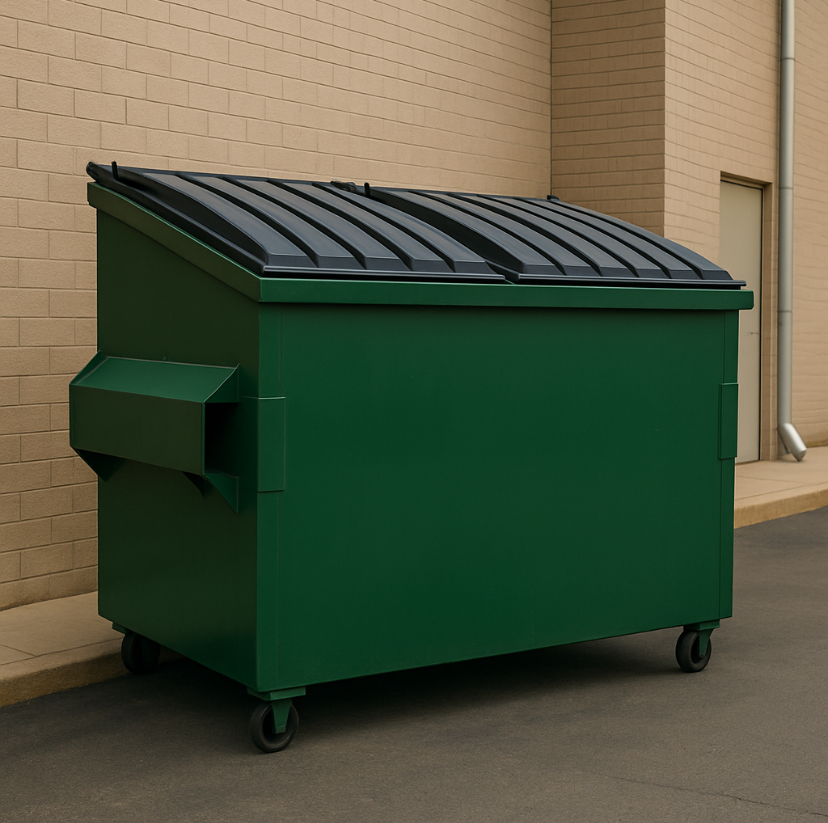
Commercial Dumpsters Handle Higher Volume and Heavier Debris Than Residential Service
Commercial projects generate substantially more waste than typical residential work. Understanding how commercial dumpster rental differs from residential service helps businesses choose the right solution.
Volume capacity matters significantly for commercial work. Construction sites demolishing commercial buildings produce dozens of cubic yards of debris daily. Retail renovations generate continuous waste streams over weeks or months. Restaurant remodels remove heavy equipment, fixtures, and building materials. Commercial dumpsters provide the capacity to handle these higher volumes without constant pickups that disrupt work schedules.
Weight limits on commercial rentals typically exceed residential allowances. Standard commercial rentals include 3 to 6 tons of debris, with options for 8- to 10-ton limits on heavy material projects. Construction debris from Apopka commercial buildings often includes concrete, steel, masonry, and dense materials that quickly exceed residential 2- to 3-ton limits. Commercial pricing and weight allowances account for these heavier loads.
Larger container sizes serve commercial needs better. While 20-yard dumpsters work for most homes, commercial projects frequently require 30- or 40-yard containers. New construction in the Kelly Park Road commercial corridor generates enough waste to fill 40-yard dumpsters weekly. Retail renovations at shopping centers along US-441 need substantial capacity for old fixtures, displays, and building materials. Commercial rentals provide the size options that match business-scale waste generation.
Extended rental periods accommodate longer commercial timelines. Residential projects typically complete within 1 to 2 weeks. Commercial construction spans months. Commercial dumpster rentals offer weekly, monthly, and project-length terms that align with commercial construction schedules. A retail buildout taking 8 weeks needs a dumpster available the entire duration, not just 7 days.
Multiple container management serves large commercial sites. Major construction projects sometimes need 2 or 3 dumpsters simultaneously—one for concrete and masonry, another for wood and light materials, a third for metal and recyclables. Commercial rental companies coordinate multiple containers, schedule strategic pickups, and manage waste streams efficiently. This logistics capability supports complex projects that residential service doesn’t address.
Compliance and documentation requirements differ for commercial work. Commercial contractors need disposal receipts, weight tickets, and documentation proving proper waste handling. Environmental regulations apply more strictly to commercial projects. Commercial dumpster rental includes proper paperwork that residential service may not provide. CRM Roll Off Division INC supplies documentation that satisfies permit requirements and environmental compliance for Apopka commercial projects.
Access and placement flexibility supports commercial sites better. Construction sites in downtown Apopka or industrial areas near Plymouth Sorrento Road need dumpsters positioned for equipment access, material delivery, and worker safety. Commercial rental companies work with site supervisors to place containers strategically. They navigate tight commercial lots, coordinate with other contractors, and adjust placement as projects evolve.
Durability for commercial use matters too. Commercial dumpsters withstand heavy equipment loading, repeated use, and demanding conditions. Forklift loading, bobcat dumping, and aggressive use by multiple crews requires containers built tougher than residential units. Commercial-grade dumpsters handle this abuse without damage that would leave residential containers unusable.
Pricing structures reflect commercial scale. Instead of simple flat-rate rentals, commercial pricing often involves monthly rates, tonnage-based billing, or project quotes. Businesses get customized pricing based on expected volume, duration, and debris type. This flexibility helps commercial customers budget accurately for waste management across long projects.
The key distinction is that commercial dumpster rental treats waste management as an essential business service, not a one-time residential transaction. Businesses need reliability, capacity, documentation, and professional service that keeps projects on schedule. Commercial rental provides these elements at a scale matching business needs.
Construction Sites Use Commercial Dumpsters for Continuous Debris Management
Construction sites represent the largest commercial dumpster rental market. Understanding how construction operations use dumpsters helps contractors plan waste management effectively.
New construction generates massive debris volumes from start to finish. Site preparation produces dirt, vegetation, and demolition waste from existing structures. Foundation work creates concrete forms, excess concrete, and excavation debris. Framing generates wood scraps, packaging, and building material waste. Finishing work produces drywall, flooring scraps, and fixture packaging. Each construction phase needs continuous waste capacity. A 30- or 40-yard dumpster stays onsite throughout the project, with scheduled pickups as containers fill.
Commercial contractors in Wekiva managing multiple projects coordinate dumpster logistics strategically. They schedule deliveries before demolition begins, arrange pickups when containers fill, and rotate dumpsters between job sites efficiently. This planning prevents waste from piling up and creating safety hazards or code violations. Professional waste management keeps construction sites organized and productive.
Demolition projects create concentrated heavy debris quickly. Tearing down commercial buildings in South Apopka produces concrete, brick, steel, and heavy materials in large quantities. These projects often need multiple 40-yard dumpsters, sequential pickups over days or weeks, and heavy debris pricing that accounts for 10+ ton loads. Demolition contractors rely on commercial dumpster companies that can handle this scale without delays.
Site cleanup phases benefit from appropriately sized commercial dumpsters. Final cleanup before project completion removes all remaining debris, packaging, and construction waste. A fresh dumpster arriving specifically for cleanup ensures nothing gets left behind. Inspectors and owners expect completely clean sites. The right commercial dumpster makes achieving this standard realistic.
Safety considerations on Apopka construction sites require proper waste management. OSHA regulations mandate keeping work areas clear of debris that creates tripping hazards or fire risks. Having adequate dumpster capacity supports compliance. Workers can immediately dispose of scrap materials instead of creating piles that become hazards. Commercial dumpster rental supports safety programs that protect workers and avoid violations.
Subcontractor coordination involves waste management planning. General contractors specify dumpster locations, usage rules, and scheduling. Subcontractors must follow these guidelines to keep sites organized. Clear communication about what goes in dumpsters, how to avoid overloading, and when pickups occur prevents conflicts. Commercial rental companies often work directly with GCs to establish these systems.
Permit compliance for construction projects often includes waste management plans. Municipal permits in Apopka may require documentation of disposal methods, recycling efforts, and waste contractor information. Commercial dumpster companies provide the documentation that satisfies these permit conditions. Contractors submit this paperwork as part of permit applications or compliance reporting.
Long-term projects spanning 6 to 12 months need reliable commercial dumpster service. Monthly rental rates provide better economics than weekly extensions over these timelines. Contractors budget for waste management as a monthly line item, similar to equipment rental or labor costs. This predictability helps with project bidding and financial management.
Equipment compatibility matters on commercial construction sites. Forklifts, skid steers, and excavators load dumpsters faster than manual labor. Commercial dumpsters accommodate this equipment use. The containers are positioned with adequate clearance for machinery, built to withstand equipment loading, and sized for the volumes machinery can load quickly. This efficiency keeps construction schedules moving.
Weather considerations affect construction waste management too. Florida’s summer storms in Apopka can soak construction debris, increasing weight and disposal costs. Tarping dumpsters during rain events protects weight allowances. Commercial contractors often request tarps as part of rental agreements to control costs during multi-month outdoor projects.
Construction waste management has evolved beyond just “throw everything in a dumpster.” Modern commercial contractors separate recyclable materials, manage hazardous waste properly, and track disposal for LEED certification or green building goals. Commercial dumpster rental companies increasingly support these efforts with guidance, documentation, and occasionally separate containers for recyclables.
Retail and Restaurant Renovations Generate Unique Commercial Waste Streams
Retail businesses and restaurants create different commercial waste patterns than construction sites. Understanding these unique needs helps business owners plan renovations effectively.
Retail renovations in Apopka shopping centers produce large fixtures, displays, shelving, and interior materials. Removing old checkout counters, display units, and merchandising equipment creates bulky waste that doesn’t fit in standard trash service. A 20- or 30-yard commercial dumpster handles these items efficiently. Store renovations often happen overnight or during closed hours to minimize business disruption. Having a dumpster onsite lets crews work quickly and dispose of old fixtures immediately.
Restaurant remodels generate particularly heavy and diverse debris. Commercial kitchen equipment, hoods, walk-in coolers, and bar fixtures weigh substantially. Old tile, booth seating, and flooring add volume. Grease and food residue contaminate some items, requiring special handling. Commercial dumpsters sized for restaurant work accommodate this mix of heavy equipment and contaminated materials. Restaurants in downtown Apopka renovating older spaces particularly benefit from adequate dumpster capacity.
Tenant improvement projects for new retail or restaurant spaces produce continuous waste. Building out raw commercial space generates drywall, wood, electrical waste, plumbing debris, and packaging materials. These projects span 6 to 12 weeks typically. A commercial dumpster stays onsite throughout the buildout, with pickups scheduled as the container fills. This arrangement keeps the workspace clean without daily waste management concerns.
Chain stores and franchises often have corporate waste management requirements. National retailers renovating Apopka locations must use approved contractors, maintain documentation, and follow corporate sustainability guidelines. Commercial dumpster companies familiar with these requirements streamline compliance. They provide the paperwork, follow corporate protocols, and ensure renovations meet brand standards for waste handling.
Time-sensitive retail renovations need reliable commercial waste service. Stores closing for renovation lose revenue daily. Delayed waste pickup that stops demolition or construction costs thousands in lost sales. Commercial dumpster companies serving retail clients prioritize reliable scheduling. Pickups happen as promised, replacements arrive on time, and communication prevents delays that extend closure periods.
Recycling requirements for commercial renovations increasingly apply to retail projects. Cardboard, metal fixtures, and certain building materials require separation and recycling under local ordinances. Some commercial dumpster companies provide guidance on sorting requirements or offer separate containers for recyclables. This helps retail businesses comply with regulations while managing renovation waste efficiently.
Limited space at retail locations creates placement challenges. Stores in strip malls or downtown Apopka have small parking lots, shared access, and limited staging areas. Commercial dumpster companies work with property managers to place containers legally without blocking customer access or violating lease terms. Sometimes street permits are necessary. Sometimes dumpsters must be moved periodically. Commercial rental companies navigate these complications that residential service rarely encounters.
After-hours delivery and pickup accommodates retail schedules. Stores can’t have delivery trucks blocking parking during business hours. Commercial dumpster companies schedule deliveries early morning before opening or late evening after closing. This flexibility prevents customer disruption while ensuring contractors have waste capacity when needed.
Aesthetic considerations matter at customer-facing businesses. Dumpsters visible from the street or parking lot hurt business during renovations. Some retail clients request screening, strategic placement, or frequent pickups that keep containers from overflowing visibly. Commercial rental companies accommodate these requests to protect business image during renovation periods.
Insurance and liability requirements for commercial projects exceed residential standards. Retail property owners require contractors to carry specific coverage. Commercial dumpster companies maintain appropriate insurance that satisfies these requirements. They provide certificates of insurance naming property owners as additional insureds. This documentation is standard for commercial work but rarely needed for residential projects.
Commercial Dumpster Sizes Match Business-Scale Project Needs
Commercial projects last longer than typical residential work. Rental terms for commercial dumpsters reflect these extended timelines with flexible options.
Weekly rental terms suit short commercial projects or businesses needing temporary capacity. A retail store doing a one-week refresh rents a dumpster for that specific week. Office cleanouts during holiday closures use weekly rentals to match the brief timeframe. Weekly commercial rates typically cost $300 to $600 depending on size, similar to residential pricing but often with higher weight allowances matching commercial needs.
Monthly rental terms provide better economics for longer commercial projects. Construction projects spanning 6 to 12 weeks use monthly terms rather than paying weekly rates repeatedly. Monthly rates reduce per-day costs significantly compared to daily or weekly rates. A 30-yard dumpster that might cost $450 weekly ($1,800 for four weeks) often rents monthly for $800 to $1,000—saving $800 to $1,000 over the same period.
Project-length agreements customize terms for specific commercial jobs. A retail buildout scheduled for 10 weeks gets a 10-week agreement at negotiated rates. This flexibility helps commercial contractors budget accurately. They know their exact waste management cost for the project duration without worrying about extension fees or weekly rate creep. Project-length pricing works well for Wekiva commercial construction with defined start and end dates.
Regular pickup schedules maintain capacity on long-term commercial rentals. A monthly rental might include pickup and swap every two weeks. The rental company removes the full container, drops a fresh empty one, and repeats throughout the month. This keeps capacity available continuously without debris piling up onsite. Scheduled pickups work better than calling for service reactively, especially on active construction sites generating debris steadily.
On-call pickup options suit variable commercial waste generation. Some projects have busy phases generating lots of debris and slow phases with minimal waste. On-call service lets contractors request pickup when containers fill rather than following fixed schedules. This flexibility prevents paying for pickups when containers are half-empty while ensuring timely service when actually needed. Commercial companies typically provide on-call service for monthly and longer rentals.
Rate structures for commercial rentals often include tonnage-based pricing beyond included allowances. Monthly agreements might include 10 tons of disposal with additional tonnage billed at $50 to $100 per ton. This transparent structure works well for commercial projects where exact waste volumes are hard to predict upfront. Contractors pay fairly for actual usage without overpaying for excessive allowances they might not use.
Contract minimums sometimes apply to commercial rentals. Some companies require 4-week or monthly minimums for commercial service. This ensures they’re not delivering and picking up containers constantly for tiny projects better served by different waste solutions. Minimums protect the company’s operational costs while ensuring commercial clients get appropriate service levels for their project scales.
Flexible extension options accommodate commercial project delays. Weather, permit delays, material shortages, or labor issues extend commercial timelines regularly. Commercial rental agreements typically allow extensions at prorated daily or weekly rates. Communication requirements usually specify notifying the company 24 to 48 hours before scheduled pickup if you need more time. This flexibility prevents disrupting projects that legitimately need more time than initially estimated.
Early termination policies vary by company. Some commercial rentals allow early termination with partial refunds if projects finish early. Others have non-refundable minimums but waive future charges once you’re done. Understanding early termination terms helps when bidding commercial projects where completion dates are uncertain. You don’t want to be locked into paying for months of service if the project completes early.
Multiple container discounts apply when commercial projects need several dumpsters. Construction sites using three 30-yard containers simultaneously might get 10% to 15% discounts on each. Volume discounts reward larger commercial customers and help companies manage logistics more efficiently. Developers doing multiple projects in Apopka can often negotiate preferred pricing based on expected annual volume across all projects.
Documentation for commercial rentals exceeds residential requirements. Commercial agreements specify pickup schedules, weight allowances, included services, prohibited materials, overage charges, and billing terms clearly. Both parties need this clarity for projects involving significant money and complex logistics. Professional contracts prevent disputes and establish expectations from day one.
Payment terms for commercial rentals often extend beyond immediate payment. Established commercial contractors may get NET 15 or NET 30 payment terms instead of paying upfront. This helps with cash flow management on projects where clients pay contractors periodically. Credit approval processes verify commercial customers’ ability to pay before extending these terms.
Prohibited Materials in Commercial Dumpsters Require Special Handling
Commercial projects generate diverse waste streams, some of which require special disposal outside regular dumpster service. Understanding prohibited materials prevents contamination fees and regulatory violations.
Hazardous materials cannot go in commercial dumpsters under any circumstances. Paint, solvents, chemicals, automotive fluids, pesticides, and toxic substances require certified hazardous waste disposal. Commercial sites in Apopka must arrange separate pickup through licensed hazardous waste contractors. Mixing hazardous materials with regular construction debris creates environmental violations with serious fines reaching thousands of dollars.
Asbestos requires specialized abatement and disposal by certified contractors. Commercial buildings built before 1980 throughout Apopka likely contain asbestos in insulation, floor tiles, ceiling materials, or pipe wrapping. Disturbing asbestos without proper protocols creates health hazards and legal liability. Before demolition, commercial property owners must conduct asbestos surveys. Any asbestos found needs professional abatement before regular demolition debris goes in dumpsters.
Refrigerants and ozone-depleting substances need recovery before disposal. Commercial refrigerators, freezers, air conditioning units, and refrigeration systems contain regulated refrigerants. EPA regulations require certified technicians to recover these substances before equipment disposal. Once properly recovered, the equipment itself can go in commercial dumpsters. But refrigerant-containing appliances cannot go in without this recovery process.
Tires are banned from landfills and cannot go in commercial dumpsters. Businesses replacing vehicle tires must arrange separate tire recycling. Tire retailers typically accept old tires for recycling when selling new ones. Landscape businesses accumulating tires from equipment maintenance need periodic tire recycling pickup separate from dumpster service.
Batteries of all types require separate recycling. Lead-acid batteries from commercial vehicles and equipment, lithium batteries from tools and devices, and household batteries from electronic fixtures all need proper recycling. Many retailers accept batteries for free recycling. Commercial sites should establish battery collection points for proper disposal separate from dumpster waste.
Propane tanks and compressed gas cylinders cannot go in dumpsters. The risk of explosion during compaction or transport makes these items extremely dangerous in waste streams. Propane suppliers typically exchange empty tanks for full ones. Compressed gas suppliers take back cylinders when no longer needed. Never throw these pressurized containers in commercial dumpsters.
Medical waste and biohazardous materials require specialized disposal. Businesses like veterinary clinics, medical offices, or research facilities generating medical waste must contract with medical waste disposal companies. Sharps, contaminated materials, and biological waste cannot mix with construction debris in regular dumpsters.
Electronic waste faces increasing disposal restrictions. Computers, monitors, printers, servers, and electronic equipment from office cleanouts require proper recycling in many jurisdictions. Some commercial dumpster companies accept electronics, others charge extra fees, and some prohibit them entirely. Florida regulations increasingly mandate electronics recycling rather than landfill disposal.
Liquid waste cannot go in dumpsters designed for solid materials. Commercial projects sometimes generate waste liquids from cleaning, equipment maintenance, or process operations. These liquids need proper disposal through liquid waste contractors or wastewater treatment systems. Pouring liquids into dumpsters creates collection problems and environmental violations.
Contaminated soil from commercial sites requires testing and special disposal. Soil contaminated with petroleum, chemicals, or other pollutants cannot go to regular landfills. Environmental consultants must test soil, determine contamination levels, and arrange proper disposal. Commercial developers doing environmental remediation in Apopka work with specialized contractors for contaminated soil, separate from regular construction debris disposal.
Radioactive materials and substances, though rare in commercial work, absolutely cannot go in regular dumpsters. Specialized disposal through licensed facilities is required for any radioactive waste.
What happens when prohibited materials contaminate commercial dumpsters? Landfills reject the entire load. The full container returns to your site. You must remove prohibited materials and separate them properly. Contamination fees of $200 to $1,000 apply depending on severity. Severe contamination with hazardous materials triggers environmental agency involvement, potential fines of $5,000 to $25,000, and possible criminal liability for knowing violations.
Preventing contamination requires clear site communication. Post prohibited materials lists prominently at commercial sites. Train all workers and subcontractors on what can and cannot go in dumpsters. Establish separate collection points for batteries, electronics, and other items needing special handling. Site supervisors should monitor dumpster use and stop prohibited materials from entering waste streams.
When uncertain about specific materials, contact CRM Roll Off Division INC before disposal. The company can advise on whether items are acceptable or need special handling. This proactive approach prevents contamination issues that delay projects and trigger expensive fees.
Commercial projects generate complex waste streams. Proper planning separates regular construction debris, recyclable materials, and prohibited items needing special disposal. This organization keeps commercial dumpster rental efficient, legal, and cost-effective throughout project duration.
Frequently Asked Questions About Commercial Dumpster Rental in Apopka
What size commercial dumpster do construction projects typically need?
Most commercial construction projects in Apopka use 30-yard or 40-yard dumpsters. These sizes hold 9 to 16 pickup truck loads and accommodate continuous debris generation from full crews working daily. Smaller retail renovations might use 20-yard containers, while major demolitions often need multiple 40-yard dumpsters with regular pickups throughout the project.
How much does commercial dumpster rental cost per month?
Monthly commercial dumpster rental in Apopka typically costs $600 to $1,200 depending on size and included services. A 20-yard runs $600 to $800 monthly, a 30-yard costs $800 to $1,000 monthly, and a 40-yard ranges $1,000 to $1,200 monthly. Pricing includes delivery, monthly pickups, disposal up to weight limits, and the container for the full month.
Do commercial dumpsters have higher weight limits than residential?
Yes, commercial dumpsters typically include 3 to 6 ton weight allowances compared to 2 to 3 tons for residential rentals. Heavy construction debris like concrete, masonry, and steel requires these higher limits. Projects with extremely heavy materials can arrange 8- to 10-ton limits or tonnage-based pricing that charges per ton loaded rather than flat rates.
Can commercial contractors get multiple dumpsters on one project?
Yes, large commercial construction sites often use multiple dumpsters simultaneously. Projects might have separate containers for concrete, wood, metal, and general debris. Commercial rental companies coordinate multiple containers, schedule strategic pickups, and often provide volume discounts for projects needing several dumpsters throughout the work.
What documentation do commercial dumpster rentals provide?
Commercial rentals provide disposal receipts, weight tickets, and certificates showing proper waste handling. This documentation satisfies permit requirements, environmental compliance, and client reporting needs. Commercial contractors need this paperwork to prove proper disposal and support LEED certification or green building goals on qualifying projects.
Are weekly or monthly rates better for commercial projects?
Monthly rates provide better value for projects lasting 4+ weeks. Weekly rates suit short-term commercial work under 2 weeks. A 30-yard dumpster costing $450 weekly ($1,800 for four weeks) typically rents monthly for $800 to $1,000—saving significant money on longer commercial projects. Project-length agreements offer the best rates for defined timelines.
Need commercial dumpster rental in Apopka? CRM Roll Off Division INC provides reliable waste solutions for construction sites, retail renovations, and business projects. Get commercial pricing and flexible terms that match your project timeline. Call today for quotes and same-week delivery.