
How much can a 20 yard dumpster hold?
You’re researching dumpster rental and see “20 yard dumpster” listed as the most popular size. But what does “20 yards” actually mean? If you’re like most people, “20 cubic yards” is an abstract measurement that doesn’t help you visualize whether your kitchen remodel debris, roofing tear-off, or whole-house cleanout will actually fit. The answer: a 20 yard dumpster holds 20 cubic yards of material—equivalent to about 6 full pickup truck loads, contents of 3-4 typical bedrooms, or debris from renovating 1,500-2,000 square feet of space. Dimensions are approximately 22 feet long × 8 feet wide × 4.5 feet high—think of a large SUV’s footprint with height reaching an adult’s shoulder. For Apopka projects, 20 yard dumpsters accommodate most residential needs: roofing tear-offs up to 3,500 square feet, full kitchen or bathroom remodels, garage cleanouts, deck removals, and medium-sized whole-house cleanouts. Understanding exactly how much a 20 yard dumpster holds helps you determine if it’s the right size or if you need to go smaller (15 yard) or larger (30 yard).
This guide answers how much can a 20 yard dumpster hold and explains capacity in practical terms, what projects fit, weight limits, and how to determine if 20 yard is the right size for your Apopka project.
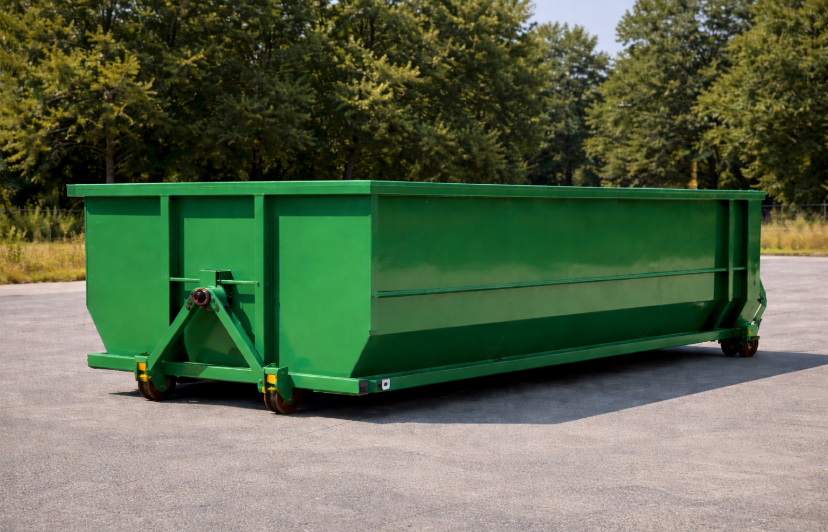
How Much Can a 20 Yard Dumpster Hold?
A 20 yard dumpster holds 20 cubic yards of material—equivalent to:
Volume comparisons: Six full pickup truck loads, contents of 3-4 typical bedrooms, or debris from renovating 1,500-2,000 square feet of space [SOURCE: Dumpster capacity estimates].
Physical dimensions: Approximately 22 feet long × 8 feet wide × 4.5 feet high—footprint of a large SUV with shoulder-height sides. Actual capacity is 20 cubic yards (imagine twenty cubes measuring 3 feet × 3 feet × 3 feet stacked).
Weight capacity: Typically 2-4 tons (4,000-8,000 pounds)—adequate for most residential debris. Light materials (wood, drywall, household items) fill volume before reaching weight. Heavy materials (concrete, dirt, brick) may hit weight limit before filling volume.
Common projects that fit: Roofing tear-offs up to 3,500 square feet (35 squares of shingles), full kitchen remodel (cabinets, countertops, appliances, flooring), 2-3 room cleanouts, garage cleanout with contents, deck removal (12×16 feet typical), bathroom remodel plus additional room.
What doesn’t fit: Four or more bedroom whole-house cleanouts (need 30 yard), large home demolition (need 30-40 yard), new construction debris (need 30-40 yard), very small projects under 6 cubic yards (15 yard more economical).
For Apopka sizing: CRM Roll Off helps determine if 20 yard fits your project—it’s the most popular residential size but not one-size-fits-all.
See if 20 yard fits your project → 20 yard dumpster rental in Apopka.
Understanding 20 Yard Dumpster Capacity in Practical Terms
Translating the abstract “20 cubic yards” measurement into practical relatable terms helps you understand actual capacity.
Physical Dimensions
A 20 yard dumpster measures approximately 22 feet long × 8 feet wide × 4.5 feet high [SOURCE: Standard dumpster dimensions]. The footprint is roughly the size of a large SUV or standard parking space length. Height reaches an average adult’s shoulder, allowing you to comfortably toss items over the side. It holds 20 cubic yards total volume—imagine twenty 3-foot × 3-foot × 3-foot cubes stacked. This provides substantial capacity while fitting residential driveways and construction sites.
Pickup Truck Load Equivalent
Twenty cubic yards equals approximately 6 full pickup truck loads. This assumes a standard pickup bed (6.5-8 feet) filled level with the sides. This comparison helps visualize capacity for those familiar with hauling debris in trucks. It means a 20 yard dumpster eliminates 6 separate trips to the landfill—particularly useful for DIY homeowners considering dump runs versus dumpster rental.
Room and Space Equivalents
A 20 yard dumpster holds contents of 3-4 typical bedrooms (furniture, belongings, boxes, miscellaneous items), OR debris from renovating or gutting 1,500-2,000 square feet of interior space (drywall, flooring, cabinets, fixtures) [SOURCE: Room volume estimates], OR materials from an average 2-car garage cleanout with accumulated belongings. This provides context for whole-house cleanout scenarios—a 20 yard handles partial house cleanouts but not an entire large home.
Weight Versus Volume Capacity
While physical volume is 20 cubic yards, weight capacity typically ranges 2-4 tons (4,000-8,000 pounds depending on rental company and debris type) [SOURCE: Dumpster weight specifications]. Most residential debris (furniture, household items, wood, drywall, shingles) is light enough to fill the entire 20 yards without approaching weight limits. Heavy materials (concrete, dirt, brick, roofing debris with multiple layers) may reach the weight limit before filling volume—an important distinction affecting how much actually fits.
Visual Fill-Level Reference
A properly loaded 20 yard dumpster should be filled to the top edge of the sides. Materials shouldn’t extend above the top—transportation regulations prohibit this. The top-loading design allows tossing debris from ground level into the dumpster. Experienced users achieve 85-95% capacity utilization with proper loading—heavy items on the bottom, lighter items filling gaps. Inefficient loading with large bulky items creating air gaps might only achieve 60-70% utilization, reducing effective capacity.
What Projects Fit in a 20 Yard Dumpster
Specific project examples help you match your actual project to 20 yard capacity, showing what comfortably fits versus what pushes limits versus what doesn’t fit.
Roofing Projects (Perfect Fit)
Residential roof tear-off up to 3,500 square feet (approximately 35 squares of shingles) fits comfortably in a 20 yard dumpster with room to spare. This includes old shingles, underlayment, flashing, ridge caps, and valley materials. Single-layer tear-off uses less capacity than multi-layer—removing 2-3 layers of old shingles before installing new requires size consideration and might need a 30 yard. Most residential roofing contractors standardize on 20 yard for efficiency. Larger roofs 4,000+ square feet typically require 30 yard dumpsters.
Kitchen and Bathroom Remodels (Ideal Size)
A full kitchen remodel generates 8-12 cubic yards of debris—cabinets, countertops, appliances, flooring, drywall, fixtures—fitting comfortably in a 20 yard with 40-60% capacity remaining [SOURCE: Remodel debris estimates]. A full bathroom remodel generates 4-6 cubic yards (vanity, toilet, tub or shower, tile, flooring, drywall). You can fit a kitchen plus bathroom remodel in a single 20 yard dumpster OR a kitchen plus an additional room. High-end remodels with extensive demolition (removing walls, structural changes) generate more debris potentially filling the 20 yard completely. Cosmetic updates (just cabinets and counters, no structural work) use less capacity.
Garage and Basement Cleanouts (Works Well)
An average 2-car garage cleanout with accumulated belongings, old furniture, boxes, tools, equipment, and seasonal items generates 10-15 cubic yards, fitting comfortably in a 20 yard. Basement cleanout (finished basement with furniture, storage, belongings) generates similar volume of 12-18 cubic yards depending on basement size and accumulation level. An unfinished basement with less accumulation might only need a 15 yard. Heavily packed garage or basement with hoarder-level accumulation might push 20 yard capacity limits or require a 30 yard.
Deck Removal and Fence Projects (Good Match)
A typical 12×16 foot deck removal (approximately 200 square feet) generates 8-12 cubic yards of debris—decking boards, support structure, railings—fitting well in a 20 yard. Larger decks 16×20+ feet might require a 30 yard. Fence removal depends on linear footage—100-150 linear feet of 6-foot privacy fence fits in a 20 yard. Fence replacements (removing old, installing new) generate disposal debris from the old fence only since new materials packaging is minimal.
Partial House Cleanouts and Small Renovations (Appropriate)
A 2-3 bedroom cleanout (furniture, belongings, boxes from select rooms not the entire house) fits in a 20 yard. Single room addition debris (framing cutoffs, drywall scraps, flooring waste, packaging) generates 6-10 cubic yards fitting comfortably. Small to medium renovations (updating 2-3 rooms, not whole-home gut) work well with 20 yard. Estate cleanout where valuables have already been removed leaving remainder for disposal typically works with a 20 yard. Whole-house cleanout of 4+ bedroom homes requires 30-40 yard, not 20 yard.
Rent 20 yard dumpster for your project type.
Weight Limits and What Can Go in a 20 Yard Dumpster
Understanding weight capacity and material restrictions prevents overage charges and disposal issues, clarifying the difference between volume capacity and weight capacity.
Weight Capacity Specifications
Twenty yard dumpsters are typically rated for 2-4 tons (4,000-8,000 pounds) depending on rental company and debris type [SOURCE: Dumpster rental weight specifications]. Weight limits matter more for heavy materials than light materials. Residential debris (furniture, boxes, household items, wood, drywall) usually reaches volume capacity before weight capacity, making weight a non-issue. Construction debris (concrete, brick, dirt, roofing materials) can hit weight limits before filling volume—important to understand when planning disposal.
Heavy Materials Requiring Weight Consideration
Concrete, brick, stone, asphalt, dirt, and soil are extremely heavy. Concrete weighs approximately 3,500-4,000 pounds per cubic yard [SOURCE: Material density standards]. A 20 yard dumpster with a 4-ton (8,000 pound) weight limit holds only 8-10 cubic yards of pure concrete before exceeding weight capacity—less than half the volume. A better strategy for concrete-only loads: rent a smaller dumpster (10-15 yard) with heavy-debris weight allowance rather than a 20 yard that’s half-filled and overweight. Mixed loads (concrete plus lighter construction debris) balance weight and volume better.
Acceptable Materials for Residential 20 Yard Dumpsters
Acceptable materials include general household items (furniture, mattresses, appliances without refrigerants), construction debris (wood, drywall, metal, plastic, shingles), renovation waste (cabinets, countertops, flooring, fixtures), yard debris in moderate quantities (branches, leaves, sod—check with rental company as some restrict organic waste), carpeting and padding, and small amounts of dirt or concrete mixed with other debris. Most common residential and light construction materials are acceptable, making the 20 yard dumpster versatile for typical projects.
Prohibited Materials and Disposal Restrictions
Prohibited materials include hazardous waste (paint, solvents, chemicals, fuel, oil), asbestos-containing materials (requires certified abatement and specialized disposal), electronics with cathode ray tubes (TVs, computer monitors—many areas have e-waste recycling programs), tires (separate disposal required), appliances with refrigerants (unless properly recovered), liquids of any kind, batteries (car batteries, household batteries—recycling required), propane tanks, and medical waste [SOURCE: Florida waste disposal regulations and EPA guidelines]. Mixing prohibited materials risks the disposal facility refusing the load and charging return fees plus violation penalties.
Overage Charges and Weight Penalties
Exceeding the weight limit triggers overage charges typically $50-75 per ton over the included weight [SOURCE: Industry overage pricing]. For example, a 4-ton limit dumpster loaded with 5 tons of debris equals a $50-75 overage fee. Significantly overloaded dumpsters (2+ tons over) may require partial unloading before hauling. Overfilling beyond dumpster sides with materials extending above the top edge violates transportation regulations—loads must be level. Proper loading strategy: distribute weight evenly across dumpster bottom, avoid concentrating heavy materials at one end creating tipping hazards, and break down bulky items maximizing space utilization.
[CRM Roll Off regularly works with Apopka customers on weight limit scenarios. Common issues include mixing heavy concrete foundation debris with lighter framing lumber in single loads. One recent home addition project filled a 20 yard dumpster with mixed debris including approximately 10 cubic yards of concrete foundation forms and broken slabs—the load exceeded the 4-ton weight limit by nearly a ton, triggering overage charges. We now recommend contractors separate heavy concrete and masonry into dedicated loads or smaller dumpsters with appropriate weight allowances, then use standard 20 yard dumpsters for lighter mixed debris. This strategy saves disposal costs and avoids weight penalties.]
Get quote for 20 yard dumpster.
Common 20 Yard Dumpster Capacity Mistakes to Avoid
Identifying frequent errors people make estimating 20 yard capacity prevents underestimating (running out of space) or overestimating (renting larger size than needed).
Underestimating Bulky Item Volume
The most common mistake—people focus on weight and forget volume. Furniture, cabinets, mattresses, and hollow items occupy enormous space relative to weight, creating air gaps. For example, a king mattress and box spring consume 2-3 cubic yards (10-15% of 20 yard capacity) despite weighing only 100-150 pounds. Multiple bedroom sets, living room furniture, and dining furniture easily fill 40-50% of the dumpster before adding boxes and smaller items. Solution: account for bulky items separately when estimating capacity, consider breaking down items when possible (disassembling furniture reduces volume), and understand that furniture doesn’t compress or Tetris together like boxes.
Forgetting Renovation Debris Expansion Factor
Intact materials (drywall on walls, flooring installed, cabinets mounted) occupy minimal space. Demolished materials expand dramatically in volume. Installed drywall has roughly a 1:3 expansion ratio when demolished—100 square feet of installed drywall becomes 3-4 cubic yards of demolished debris. Flooring, cabinetry, and fixtures similarly expand. Homeowners often calculate “room contains X cubic feet” failing to account for expansion when demolished, creating significant underestimation. Contractors understand this factor, but DIY homeowners are frequently surprised.
Assuming Perfect Packing Efficiency
Theoretical 20 cubic yard capacity assumes perfect packing with no air gaps. Reality: even careful loading achieves only 80-90% efficiency. Irregular-shaped construction debris, furniture, and bulky items create unavoidable air gaps reducing effective capacity to 16-18 cubic yards. Trying to exceed capacity by compressing or stomping is dangerous and ineffective—materials don’t compress much, and it damages the dumpster. Better approach: plan for realistic 85% efficiency meaning 17 cubic yards effective capacity in a 20 yard dumpster. If your project generates 18-20 cubic yards, rent a 30 yard providing buffer.
Not Separating Heavy Materials from General Debris
Mixing concrete, brick, or dirt with general debris causes two problems: (1) hits weight limits with dumpster not full, wasting volume capacity, and (2) makes disposal more expensive as facilities charge premium for heavy materials. Better strategy: rent a separate small dumpster or make a dedicated dump run for heavy materials (concrete, dirt, brick), and use the 20 yard for general lighter debris, maximizing both volume and weight capacity efficiently. This also allows potential cost savings as some facilities charge less for clean concrete versus mixed debris.
Choosing 20 Yard “Because It’s Most Popular”
Twenty yard is the most common residential size but not automatically right for every project. Small projects (single room cleanout, small bathroom remodel) waste money renting 20 yard when 15 yard is adequate and $50-75 cheaper. Large projects (whole-house cleanout 4+ bedrooms, major renovation, demolition) overflow 20 yard requiring a second rental or upgrade to 30 yard from the start, saving money. Proper approach: estimate project debris volume honestly, compare to capacity, add 10-15% buffer, then select size. When uncertain, call the rental company for sizing recommendation based on project specifics.
[CRM Roll Off has seen both extremes in Apopka projects. We’ve had customers who underestimated capacity, requiring a second 20 yard dumpster mid-project, essentially doubling their costs. We’ve also had customers who rented 30 yard dumpsters when their projects would have fit comfortably in 20 yard, wasting $50-100. One recent whole-home gut renovation customer initially thought they needed a 20 yard but after our consultation describing the full scope (gutting kitchen, two bathrooms, master bedroom, and living room), we recommended a 30 yard. The project filled the 30 yard to about 90% capacity—a 20 yard would have overflowed halfway through. Our free sizing consultations help customers avoid these costly mistakes.]
Avoid capacity mistakes—get sizing help.
Is a 20 Yard Dumpster the Right Size for Your Apopka Project?
A decision framework helps you determine if a 20 yard is appropriate for your specific project, with clear next steps for moving forward.
When 20 Yard Is Ideal Choice
Twenty yard is the ideal choice for projects generating 12-18 cubic yards of debris (fills 60-90% of capacity allowing buffer). This includes roofing tear-offs 2,500-3,500 square feet, full kitchen or bathroom remodel, 2-3 room cleanouts or partial house cleanout, garage or basement cleanout with moderate accumulation, deck removal 12×16 feet typical size, small room addition or renovation, and estate cleanout with valuables removed. Most common residential projects fall into this range, making 20 yard the most popular versatile size.
When to Consider 15 Yard Instead
Consider a 15 yard for very small projects generating 8-10 cubic yards or less. This includes single room cleanout (bedroom, bathroom), small bathroom remodel (vanity, toilet, tile, no structural work), or minor repair debris. If a 20 yard would sit more than half-empty, you’re wasting money—$50-75 savings with 15 yard. However, the minor cost difference means if you’re uncertain, a 20 yard provides buffer preventing running out of space mid-project. Homeowners often overestimate debris volume and would be better suited for 15 yard.
When to Upgrade to 30 Yard
Upgrade to 30 yard for large projects generating 20+ cubic yards of debris that would overfill a 20 yard. This includes whole-house cleanouts of 3-4+ bedrooms, major renovations gutting multiple rooms or entire homes, roofing tear-offs 4,000+ square feet or multi-layer removal, home additions 400+ square feet, medium demolition projects, and projects with lots of bulky furniture and items. Any project where debris volume is uncertain but potentially substantial—30 yard provides buffer preventing mid-project capacity crisis. Cost difference is typically $50-100, making the upgrade worthwhile for peace of mind on larger projects.
Questions to Ask Before Deciding
How many rooms am I cleaning or renovating? What’s the square footage affected? Do I have substantial bulky items (furniture, appliances, cabinets)? Is this demolition or gut work (debris expansion) or light cleanout? Am I a conservative or aggressive estimator (account for personal tendency)? What’s my timeline—can I accept a second dumpster if needed or must I get the right size first time? What materials—light household debris or heavy construction materials? Honest answers guide appropriate size selection.
Apopka-Specific Considerations and Free Sizing Help
Consider property access (driveway length and width, street parking restrictions), HOA rules if applicable (some neighborhoods restrict dumpster placement or require permits), and project timeline (standard rental 7-14 days—is that enough time or do you need extended rental?). CRM Roll Off provides free sizing consultations—describe project specifics (type, square footage, materials, timeline) and receive professional recommendation based on hundreds of Apopka projects. No obligation. It’s better to get expert input than guess and face costly second rental or wasted capacity. Most customers find the consultation invaluable for accurate sizing, avoiding expensive mistakes.
Ready to order? Rent 20 yard dumpster or call for sizing help.
Understanding 20 Yard Dumpster Capacity for Your Project
A 20 yard dumpster holds 20 cubic yards of material—equivalent to 6 pickup truck loads, contents of 3-4 bedrooms, or debris from renovating 1,500-2,000 square feet of space. Physical dimensions are 22 feet × 8 feet × 4.5 feet with weight capacity of 2-4 tons. This size fits most residential projects including roofing up to 3,500 square feet, full kitchen remodels, 2-3 room cleanouts, and garage or deck removals. Understanding capacity in practical terms helps determine if it’s the right size for your needs.
Common projects that fit comfortably in 20 yard dumpsters include roofing tear-offs, kitchen and bathroom remodels, garage and basement cleanouts, deck removals, and partial house cleanouts. Weight limits typically accommodate residential debris without issue, though heavy materials like concrete may hit weight capacity before filling volume. Prohibited materials include hazardous waste, asbestos, electronics, and liquids—mixing these risks facility refusal and penalties.
Common capacity mistakes include underestimating bulky item volume, forgetting renovation debris expansion, assuming perfect packing efficiency, not separating heavy materials, and choosing 20 yard simply because it’s popular without assessing project needs. Proper estimation involves honest volume assessment, accounting for material types, and adding 10-15% buffer.
CRM Roll Off provides free sizing consultations to ensure 20 yard dumpsters match your Apopka project needs. Most residential projects benefit from this versatile size, though very small projects (under 10 cubic yards) work better with 15 yard, and large projects (over 20 cubic yards) require 30 yard upgrades.
Ready to rent a 20 yard dumpster for your Apopka project? CRM Roll Off provides the most popular residential dumpster size handling roofing, remodels, cleanouts, and more. Understanding exactly how much a 20 yard dumpster holds helps ensure it’s the right size for your needs—and we offer free sizing consultations if you’re uncertain. Our 20 yard dumpsters accommodate most residential projects while fitting driveways and construction sites throughout Apopka. Call (321) 228-0245 for sizing help or rent your 20 yard dumpster online.